Maximize Your Marketing Efficiency with a 2024 Social Media Marketing Planner
As the digital landscape grows increasingly complex, marketers, entrepreneurs, and content creators are seeking tools to streamline their efforts. A 2024 Social Media Marketing Planner, particularly one offered as an editable Canva template with print-ready files, represents a comprehensive organizational solution for planning and executing a cohesive strategy across multiple platforms.
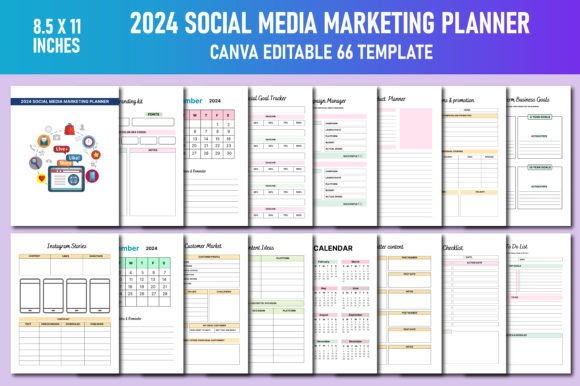
This product is not merely a calendar; it is a detailed suite of templates designed to cover nearly every facet of a modern social media and content marketing operation. It includes planners for Instagram, Facebook, YouTube, Pinterest, Twitter, and LinkedIn, alongside broader business management sections like financial tracking, competitor analysis, SEO keyword research, and goal setting.
Understanding the Core Components and Benefits
The primary value of a 2024 Social Media Marketing Planner lies in its structure and adaptability. By consolidating disparate planning tasks into a single, organized framework, it reduces the cognitive load of managing multiple campaigns and channels. The editable nature, via a provided Canva link, is a significant advantage. Users can customize colors, fonts, and layouts to match their branding, or adjust specific sections to better fit their unique workflow without needing advanced design skills.
The inclusion of high-quality JPG, PNG, and PDF files caters to different user preferences. Some may prefer digital use, filling out the PDFs on a tablet or computer, while others might value the tactile experience of printing the planners for physical binders in home, office, or shop environments. This duality supports various working styles.
Key Features and Their Practical Applications
A deep dive into the feature list reveals the planner’s scope. Beyond the foundational 2024 annual and monthly calendars, platform-specific tools are extensive.
- Content Scheduling and Trackers: Dedicated sections for Instagram posts, stories, and advertising, alongside similar planners for Facebook and Pinterest, enable users to plan content themes, track ad performance, and schedule posts visually. This prevents last-minute scrambling and ensures a balanced content mix.
- Analytical and Research Tools: The Pinterest Stats Analysis, Competitor Analysis, and Keywords Research sheets encourage a data-informed approach. Moving from intuition-based posting to strategy based on observed performance and market research can significantly improve results.
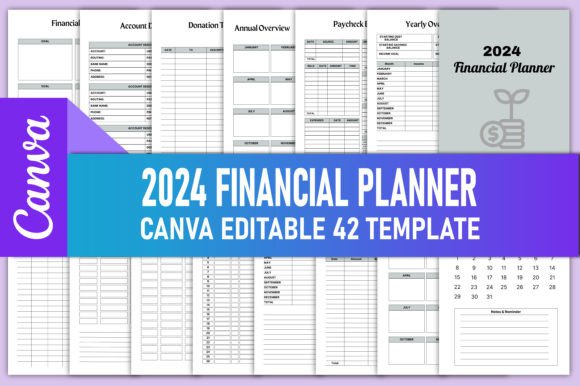
- Business Integration: Sections like the Income Tracker, Budget Tracker, Annual Profit & Loss, and Pre-launch Costs bridge the gap between social media activity and overall business health. This helps users understand the financial impact of their marketing efforts.
- Strategic Planning Modules: The Long Term Business Goals, Financial Goal Tracker, Goal Action Plan, and Target Customer Market prompts encourage users to define their objectives clearly. This alignment ensures daily social media tasks contribute to overarching business milestones.
Evaluating Fit: Who Benefits Most from This Planner?
The 2024 Social Media Marketing Planner is a strong fit for specific user profiles. It is particularly valuable for small business owners, solopreneurs, and freelance content marketers who manage all aspects of their digital presence without a large team. For them, the integrated approach saves time and reduces the need for multiple disparate tools or software subscriptions.
It also serves individuals who prefer a visual, hands-on planning method. Those who find purely digital project management apps impersonal or overwhelming may benefit from the printable, tangible format. The planner acts as a central command center, making complex strategies feel more manageable and structured.
Furthermore, users launching a new product, service, or brand in 2024 will find the pre-launch cost tracker, product ideas sheet, and content schedule invaluable for coordinating a structured rollout campaign across channels.
Important Considerations and Potential Tradeoffs
While the benefits are clear, prospective users must consider certain tradeoffs. A physical or static PDF planner requires manual updating. Unlike automated software, it does not sync with live social media APIs to pull in real-time analytics or post automatically. The user bears the responsibility of consistently inputting data and reviewing the sheets. This demands discipline and may not suit those seeking a fully automated ecosystem.
The comprehensiveness can also be a double-edged sword. A user with a very narrow focus—perhaps only Instagram marketing—might find sections for Pinterest boards, YouTube planning, and LinkedIn content less relevant. The sheer number of pages could feel overwhelming if not all are needed, though the editable feature allows for hiding or removing sections.
Alternatives to such a planner template include dedicated social media management software like Hootsuite or Buffer, which offer scheduling and analytics integration, or using a combination of digital note-taking apps like Notion or Trello for customizable planning. These alternatives typically offer more automation and collaboration features but often come with ongoing subscription costs and less branding customization.
Decision-Making Insights for Potential Users
When deciding if this 2024 Social Media Marketing Planner aligns with your needs, conduct a simple audit of your current process. Are you juggling multiple notes, spreadsheets, and apps? Do you spend time searching for past performance data or campaign ideas? If consolidation and visual organization would solve these pain points, the planner is a compelling option.
Consider your preference for workflow. If you value customization and having a branded, physical planner you can reference offline, the printable and editable features are significant advantages over rigid software interfaces. Conversely, if your team is remote and requires collaborative, real-time updating of schedules, a cloud-based software alternative might be more effective despite the higher recurring cost.
Ultimately, the product is a tool to impose structure. Its effectiveness depends entirely on the user’s commitment to regularly engage with it. For those ready to invest time in manual planning and who desire a centralized, customizable hub for their 2024 marketing strategy, this planner template offers a practical and cost-effective solution to bring order and clarity to their digital marketing efforts.