The Modern Kitchen Arsenal: Organizing Frozen Goods with Digital Tools
In the heart of every efficient kitchen, the freezer stands as a bastion of preservation, a silent vault holding meals for tomorrow, ingredients for emergencies, and the overflow of today's bounty. Yet, for many, this cold storage becomes a frontier of chaos—a frosty wilderness where items disappear into the icy abyss, only to be rediscovered years later as unrecognizable artifacts. The quest for order in this domain is not merely a domestic chore; it is a fundamental step towards smarter consumption, reduced waste, and financial prudence. This pursuit has given rise to specialized tools designed to bring clarity and control to our frozen inventory.
From Analog Lists to Digital Systems
The traditional method of freezer management often involved a handwritten list taped to the door, hastily updated and frequently ignored. While this approach has merit, its limitations are clear: it is static, easily damaged by condensation, and lacks the structure for detailed tracking. The evolution towards more systematic methods reflects a broader trend in personal and household organization, where dedicated tools provide frameworks that encourage consistent use.
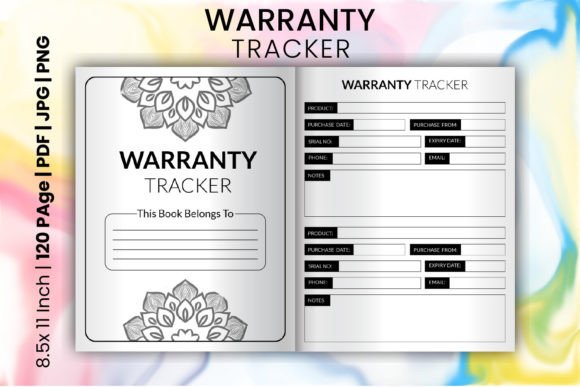
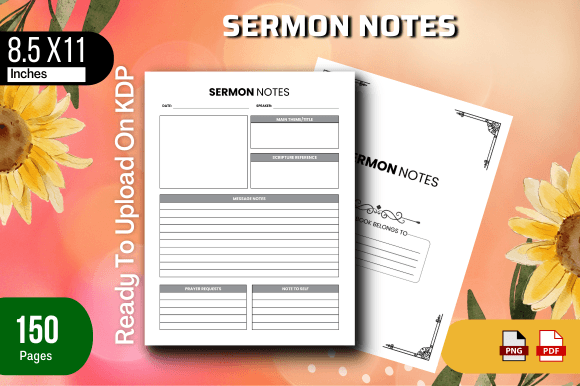
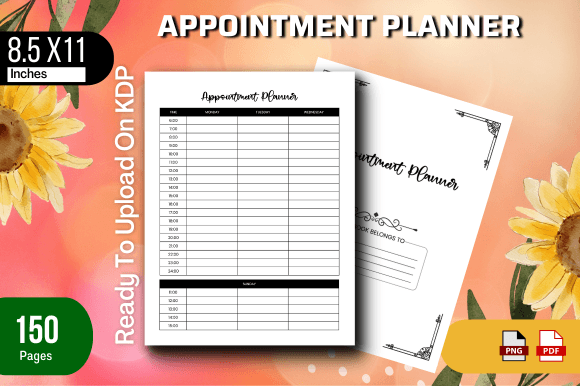
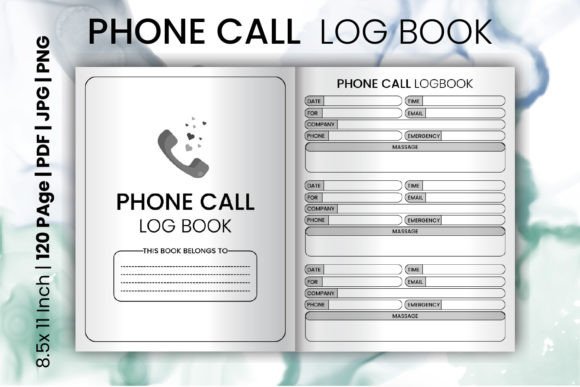
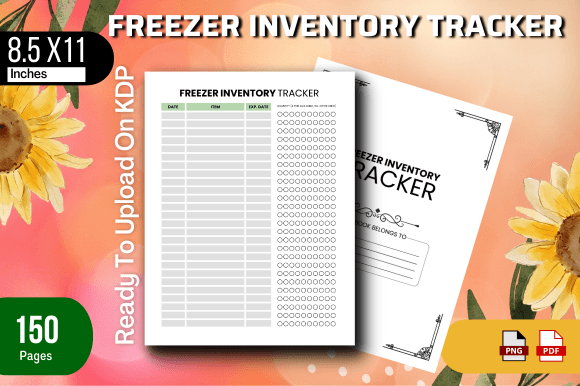
Among these specialized resources are printable inventory systems tailored for physical use. A product like the Freezer Inventory Tracker Kdp Interiors exemplifies this category. It is designed as a physical ledger, a bound book of pages meant to be filled out by hand, offering a tangible bridge between the analog habit of writing and the digital-ready design of modern printables. The description notes it includes a ready-to-upload PDF file, 150 total pages formatted for 8.5 x 11 inches, and that files were tested on Amazon KDP to ensure quality. This indicates it is a product created for the Kindle Direct Publishing platform, intended for individuals who wish to purchase a physical, printed inventory logbook or for creators who might utilize such interiors for their own projects.
Characteristics of a Structured Inventory Log
What does such a tracker offer? It provides a predefined schema for recording data. Typically, this includes columns or sections for the item name, date frozen, quantity, and perhaps a section for notes or expiration reminders. The physicality of the book means it can be kept in a kitchen drawer or on a counter, becoming a quick-reference companion to the freezer itself. The advantage of a tested, print-ready interior is its reliability; the margins, spacing, and page count are calibrated to avoid printing issues, ensuring the final product is functional and professional.
For the user, this transforms inventory management from a sporadic memory test into a repeatable administrative task. It imposes a minimal discipline that yields significant rewards. Knowing exactly what lies behind the frost-coated glass prevents the common scenario of buying duplicate items at the grocery store because one forgot a package of chicken breasts was already buried in the ice. It also facilitates meal planning, allowing one to strategically use older items first, thereby reducing spoilage and maximizing the value of the freezer's contents.
The Practical Applications Across Different Users
The utility of a freezer inventory system extends far beyond the average household. Consider the busy professional who batch-cooks meals on Sundays. A precise log allows them to see at a glance which pre-portioned lunches are available, streamlining their morning routine. For the hobbyist gardener or hunter, who preserves seasonal harvests or game, a detailed tracker is essential for managing large volumes of frozen produce or meat, tracking processing dates for optimal quality.
Small business owners, such as those running a home-based bakery or catering service, can use these logs for ingredient control. Knowing the stock levels of frozen berries, butter, or pre-made components is a basic form of inventory management that supports cost control and operational planning. Even educators and researchers, particularly in fields like nutrition or food science, might find value in such structured logging for personal or small-scale experimental food storage projects, where accurate records are crucial.
The act of tracking itself encourages mindfulness. Each entry is a small commitment to awareness. It turns the freezer from a passive storage unit into an active component of the kitchen's ecosystem. This mindset, supported by the right tool, can ripple outwards, influencing shopping habits, budgeting, and even contributing to broader sustainability goals by minimizing food waste.
Integration into Daily Workflows and Considerations
Implementing any new system requires a slight adaptation of routine. The success of using a freezer inventory tracker hinges on its ease of integration. A well-designed logbook should be intuitive; the act of updating it should take less time than searching the freezer blindly. Placement is key—keeping it near the freezer or with other kitchen planning tools increases the likelihood of use.
There are natural considerations when opting for a physical, printed solution like one based on KDP interiors. It is a fixed format; you cannot easily customize fields without creating a new document. It requires manual updates, which some may find less efficient than a digital app that could sync across devices. However, for many, the tactile nature of writing can reinforce the habit, and the book does not rely on battery power or software updates. It is a simple, permanent record.
The choice between digital apps and physical logs often comes down to personal preference and workflow. Some may prefer a hybrid approach, using a printed master log in the kitchen while occasionally transferring data to a digital spreadsheet for longer-term analysis or sharing with family members. The existence of professionally designed, ready-to-upload interiors for print platforms provides a high-quality option for those who value the physical artifact.
Beyond Inventory: The Broader Implications of Home Food Management
Focusing on the freezer is just one node in a larger network of home food management. A systematic approach here often inspires better organization in the pantry, the spice cabinet, or the refrigerator. The principles are transferable: clear categorization, dating of items, regular auditing, and planned rotation. These are foundational practices in commercial food service, and their application at home brings a similar level of efficiency and safety.
The environmental and economic impact is tangible. The United Nations Environment Programme estimates that a significant percentage of household waste is food. A well-managed freezer, where items are used before quality deteriorates, directly counters this. Economically, it prevents the "double purchase" and helps households capitalize on bulk buying or seasonal sales by ensuring those purchased items are tracked and used appropriately.
For creators and designers, products like the Freezer Inventory Tracker Kdp Interiors also represent a niche within the world of printable practical tools. They meet a specific user need and demonstrate how digital creation platforms can serve tangible, everyday problems. The fact that such interiors are tested for a specific publishing platform (Amazon KDP) speaks to a market for ready-made, functional content that end-users can acquire as physical books or that other creators can incorporate into their offerings.
Observations on Adoption and Long-Term Use
The initial adoption of any tracker is often driven by a moment of frustration—the discovery of a long-lost, frost-encrusted item, or the inability to find a needed ingredient. The key to long-term use is witnessing its immediate benefits. The first time the log prevents an unnecessary purchase, or seamlessly informs a week's meal plan, it validates the effort. The system becomes self-reinforcing.
It is also noteworthy that such tools can evolve with the user. A basic log might start simply tracking names and dates. Over time, a user might add codes for location within the freezer (top shelf, left drawer), or start noting the source of the item (homemade, store-bought, farmer's market). The physical page constraints of a pre-designed interior might limit this organic evolution, which is a consideration for advanced users who may eventually design their own custom sheets.
In essence, the move towards organized freezer management, whether through a dedicated KDP interior logbook, a homemade spreadsheet, or a specialized app, is a move towards intentionality. It represents a decision to treat household resources with the same level of attention one might apply to a small business or a cherished hobby. It is a quiet but powerful form of optimization, bringing order to the cold chaos and turning the freezer into a truly reliable ally in the kitchen.