The Practical Value of Recipe Book KDP Interior Templates
For authors and publishers navigating the world of Kindle Direct Publishing (KDP), particularly in the recipe book niche, the production phase presents a significant hurdle. Designing a professional, cohesive interior layout requires more than just compiling recipes; it demands a keen eye for typography, page balance, and compliance with KDP’s technical specifications. Recipe Book KDP Interiors addresses this specific challenge by offering a suite of pre-designed, tested template files.
A Solution for Formatting and Technical Compliance
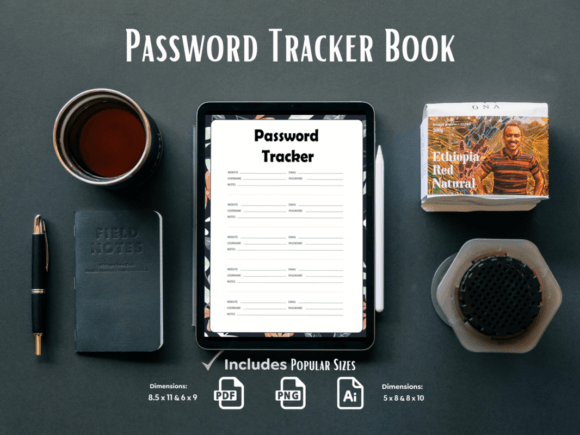
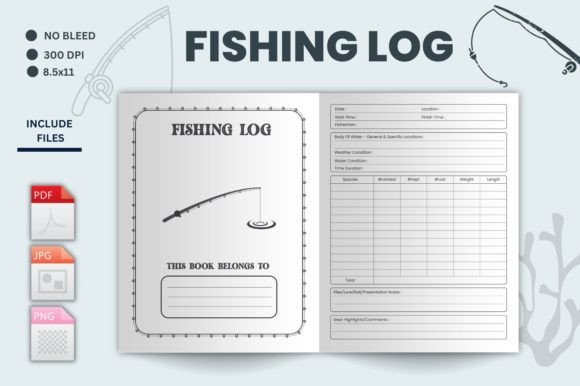
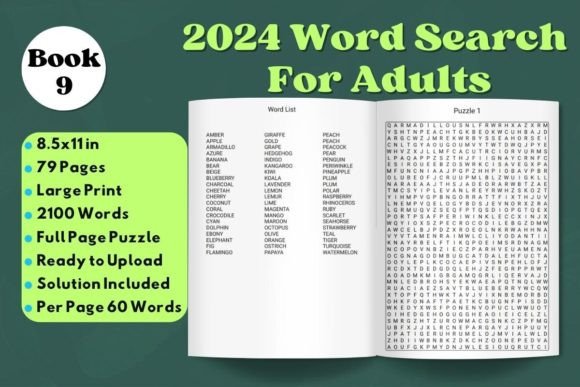
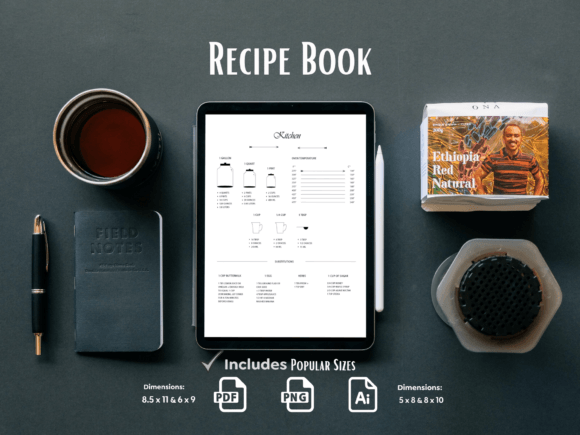
The core purpose of Recipe Book KDP Interiors is to provide a ready-made framework for the book’s inside pages. Instead of building each chapter header, ingredient list, and instruction block from scratch, creators can focus on their content. The provided package typically includes multiple file formats for each of the standard KDP trim sizes: 8.5 x 11, 6 x 9, 5 x 8, and 8 x 10. This multi-format approach is its foundational strength.
The PDF files are ready for immediate upload to the KDP platform, having been vetted in the KDP Previewer. This is a critical step, as the Previewer is Amazon’s tool for identifying potential formatting errors, margin issues, or image problems before publication. Templates tested here offer a degree of reliability, reducing the risk of last-minute technical rejections or a poor reading experience on Kindle devices and apps.
Evaluating the Key Characteristics and Flexibility
Beyond the PDFs, the inclusion of PNG files offers an alternative for upload, while the Adobe Illustrator (AI) source files represent the most valuable asset for many serious users. These editable AI files provide the flexibility to tailor the design. A professional can adjust colors, modify fonts to better match a book’s brand, or reposition elements to accommodate unique content, like extensive chef’s notes or nutritional tables. This layered offering—from ready-to-use to fully editable—caters to different levels of technical skill and creative ambition.
The consistency built into a template like Recipe Book KDP Interiors is another major practical benefit. A uniform structure for recipe presentation—with clear delineation between title, servings, prep time, ingredients, and method—creates a professional reading rhythm. This consistency enhances usability for the end reader, who won’t have to re-learn the layout with each new chapter.
Quality and Presentation Considerations
The inherent quality of such a product depends largely on the original design choices within the template. A well-constructed set will use legible, appropriately sized fonts, have sufficient margin space, and employ a clean visual hierarchy. The effectiveness of the template in real-world use is tied to this foundational design quality. A poorly designed template, even if technically compliant, will result in an unappealing book. Therefore, the value proposition hinges on the designer’s expertise in cookbook layout principles, which should be evident in the sample views.
Who Benefits Most from These Interior Files?
The audience for Recipe Book KDP Interiors is quite specific. It is ideal for culinary bloggers transitioning their online content into a published book, family historians compiling heirloom recipes, or niche diet experts publishing a guide. Small business owners, such as caterers or cooking instructors, can use it to create a professional product to complement their services. For these individuals, investing time in mastering complex desktop publishing software is often not practical. The template provides a shortcut to a marketable product.
Freelance designers and publishing assistants working with multiple recipe book clients may also find the editable AI files valuable. They can use the core structure as a starting point for custom projects, increasing their workflow efficiency. However, a complete novice with no experience in basic graphic software might find the AI files challenging, and would likely stick to the ready-to-upload PDFs.
Practical Recommendations and Observations
Before committing to any template, including Recipe Book KDP Interiors, a user should carefully match the trim sizes offered with their publishing vision. The 6 x 9 size is a popular industry standard for cookbooks, but a 8.5 x 11 size might be desired for a book emphasizing large, photographic plates. Confirm that the template includes the size you intend to publish.
It is also wise to consider the long-term value. If you plan to write multiple recipe books, a well-designed, editable template can serve as a reusable asset, ensuring brand consistency across your publications. The initial investment then extends beyond a single project.
Acknowledging Possible Limitations
While the practical value is clear, templates are not a panacea. Their limitation is in creative constraint. A template imposes a certain visual style. If your book concept is highly avant-garde or requires a deeply personalized, artistic layout—like a graphic novel-style cooking guide—a pre-made interior might feel restrictive. Furthermore, the user must still possess the diligence to input content accurately, proofread meticulously, and ensure that their images or illustrations work within the template’s predefined image placeholders or flow.
Another consideration is the dependency on the template creator’s ongoing testing. KDP’s platform and previewer specifications can evolve. The stated “tested” status is a snapshot in time. The user retains the responsibility of performing their own final preview check before publishing.
Aligning the Template with Your Project Needs
To determine if Recipe Book KDP Interiors fits your goals, assess your priorities. Is your primary aim to expedite publication with a professionally structured interior, ensuring technical compliance? If so, the PDFs serve that purpose directly. Do you require a adaptable foundation that you can modify for future projects or to match a specific color palette? Then the availability of the AI source files becomes the key deciding factor.
For the entrepreneur or creator seeking to launch a recipe book without a design background, these interior files act as a critical enabler. They shift the effort from complex layout design—a specialized skill—to content curation and final polishing, which are the author’s core competencies. Ultimately, the worth of such a resource is measured by its ability to bridge the gap between having written content and possessing a finished, publishable product that meets marketplace standards for readability and presentation. Recipe Book KDP Interiors, by providing tested, multi-format, and editable files, aims to be that bridge.