The Strategic Advantage of Wood Working Log Book KDP Interiors for Serious Creators
In the world of publishing, especially for niche hobbies like woodworking, the product you deliver is judged as a complete experience. The content is paramount, but the vessel that carries it—the book's interior design and physical quality—speaks volumes about your authority and commitment to the craft. This is where a professionally designed Wood Working Log Book KDP Interiors package transforms from a simple template into a strategic tool for business growth and audience trust.
Beyond a Template: A Foundation for Professional Output
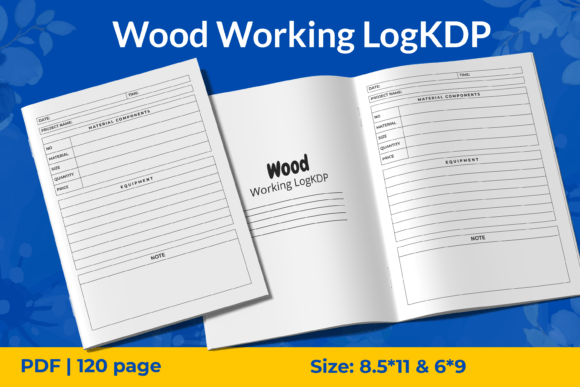
Many creators enter the Kindle Direct Publishing (KDP) marketplace with excellent content but find the technical and design aspects of book creation to be a significant hurdle. A Wood Working Log Book KDP Interiors set provides a solved foundation. These are not mere suggestions; they are high-resolution, print-ready PDF files, pre-formatted to the exact specifications required by Amazon’s printing system. The inclusion of proper bleed for trim edges and the testing on KDP to ensure quality means you are deploying a proven asset. This eliminates one of the largest variable risks in self-publishing: technical rejection or a substandard physical product that disappoints customers.
How Quality Interiors Support Strategic Goals
Using a refined Wood Working Log Book KDP Interiors package aligns directly with several key strategic objectives for any publisher or woodworking enthusiast building a brand.
- Positioning and Authority: A woodworking book with a crisp, organized, and professionally laid-out interior immediately positions you as a serious source of information. The 300 dpi print-ready quality ensures sharp text and clear lines for any diagrams or log sections, which is critical for a technical hobby. This builds E-E-A-T (Experience, Expertise, Authoritativeness, Trustworthiness) from the moment a reader opens the book.
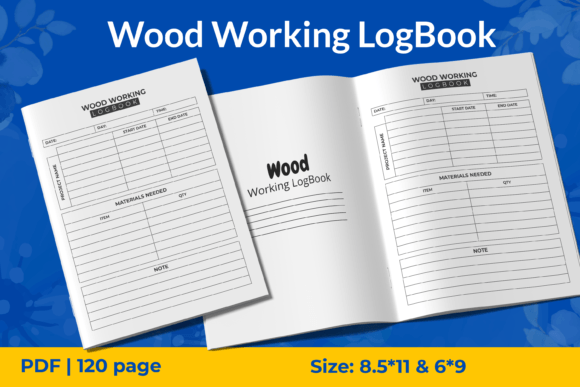
- Operational Efficiency: The 120-page structure across common dimensions (8.5" x 11" and 6" x 9") provides a ready-made framework. Instead of spending weeks on layout design, you can focus your operational energy on content creation, marketing, and customer engagement. This is a deliberate decision to allocate resources to higher-value activities.
- Customer Experience and Long-Term Results: A book that feels well-made and easy to use—with clear sections for project logs, material lists, cut plans, and notes—enhances the utility for the end-user. A satisfied customer is more likely to return for your next publication, recommend your work, and provide positive reviews. This directly influences long-term sales velocity and brand reputation.
Intentional Use: When and How to Leverage Prepared Interiors
The decision to use a pre-designed Wood Working Log Book KDP Interiors set should be a conscious one, tied to your specific phase of development and goals.
It is particularly strategic when:
- You are launching your first woodworking publication and need to establish credibility quickly without a large design budget.
- You intend to create a series of log books or project journals and require a consistent, recognizable interior format to build series branding.
- Your core strength is in woodworking knowledge and content creation, not graphic design or KDP technical specifications.
- You want to accelerate your publishing timeline to capitalize on a seasonal trend or a specific marketing campaign.
Approach it not as a passive drop-in, but as a structured canvas. Your responsibility is to populate it with outstanding, useful content. Think through the user's journey: How will a woodworker flow through the 120 pages? Consider adding brief introductory notes on how to use the log sections effectively, or tips for tracking project costs and time. This turns a generic interior into a tailored tool.
Planning Tips and Practical Integration
Before you upload the provided PDF files to KDP, engage in a simple planning exercise. Map your content to the existing page structure. Identify where your unique value will be inserted. For example, if the interior includes numbered pages for project logs, plan a range of example entries or guiding prompts that demonstrate depth. Even with a prepared interior, the strategic thought you apply to the content layout within that frame defines the final product's usefulness.
Also, consider the two size options strategically. The 8.5" x 11" format is excellent for workshop reference books where larger diagrams and spacious writing areas are beneficial. The 6" x 9" size is a more portable, standard trade paperback size ideal for journals that might be carried to a job site or a lumber yard. Your choice should be informed by the primary use case you envision for your customer.
Risks of Context-Free Implementation
While a Wood Working Log Book KDP Interiors package reduces technical risk, it does not eliminate the need for a content strategy. The possible pitfalls arise from using it without clear goals.
- Generic Output: If you simply fill the pages with minimal content, the result will feel templated and impersonal. The interior is a quality shell; your unique insights, project examples, and woodworking knowledge must give it life and specificity.
- Market Misalignment: Assuming the interior alone will make your book successful ignores the necessity of market research. You must still understand what woodworkers in your niche need from a log book—what they track, what they forget, what they want to improve. The interior supports the delivery of that solution.
- Over-reliance: This tool solves the interior design challenge. It does not solve cover design, marketing, pricing, or audience building. A strategic publisher uses it as one component in a broader, intentional plan for creating and selling a valuable product.
Moving from Random to Intentional Application
The shift from seeing this as a random template to an intentional asset involves asking questions before you begin:
- What specific problem does my woodworking log book solve for the user?
- How does the structure of this particular Wood Working Log Book KDP Interiors facilitate that solution?
- Where can I inject my expertise to elevate the standard format?
- What is my post-launch plan to gather feedback on the book's usability and improve future editions?
By anchoring your use of the interior files to these questions, you ensure the final book is a cohesive, purposeful product. It becomes a physical manifestation of your strategic intent to serve the woodworking community with a superior tool.
The Long-Term Value for Creative Businesses
Investing in a professional starting point like a tested Wood Working Log Book KDP Interiors set has compounding benefits. The first book launched with a high-quality interior sets a standard. It builds customer confidence. It streamlines your production process for subsequent volumes, allowing you to scale your publishing efforts efficiently. For the hobbyist-turned-publisher, it represents a smart delegation of a complex task, freeing mental bandwidth for the creative and relational work that truly builds a sustainable publishing practice around your passion for woodworking.
Ultimately, these interiors are not just about margins and bleed settings. They are about making a strategic decision to present your knowledge with the respect it deserves. They enable you to focus on what you do best—woodworking and teaching—while ensuring the final product meets the professional expectations of a discerning audience. That alignment between your expertise and the product's presentation is where real authority in the marketplace is built.