Navigating the Pre-Designed Interior Landscape for Amazon KDP Authors
For authors publishing through Amazon Kindle Direct Publishing, the interior design of a book is a critical, yet often underestimated, component of the final product. While writing and cover design receive significant attention, a professionally formatted interior contributes substantially to reader experience and perceived quality. This has led to a growing market of pre-designed book interiors, where services like Wishlist KDP Interiors offer a streamlined solution.
Understanding the Role of Pre-Designed Book Interiors
An book interior encompasses everything between the covers: page layout, margins, font selection and styling for chapters and body text, header and footer design, and the formatting of any special elements like quotes or lists. For print books, this also includes precise calculations for page count and spine width. On Amazon KDP, authors must upload a print-ready PDF file that meets stringent technical specifications. Creating this file from scratch requires a solid understanding of graphic design principles, typography, and the specific technical requirements of KDP’s printing system.
Pre-designed interiors, such as those offered by Wishlist KDP Interiors, aim to remove this technical hurdle. They provide authors with a completed, tested PDF file that is ready for upload. The core proposition is efficiency: saving time, reducing the risk of formatting errors that could lead to publishing delays or a substandard printed book, and providing a polished baseline design.
What Constitutes the Wishlist KDP Interiors Offering
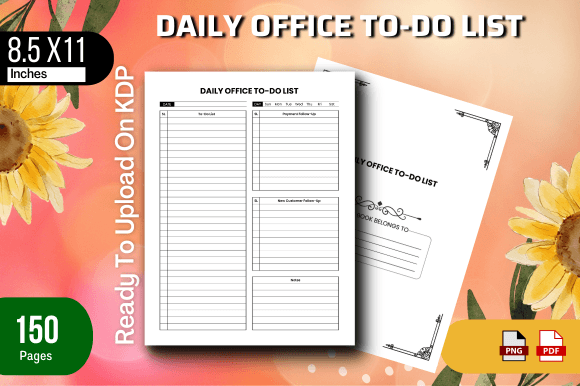
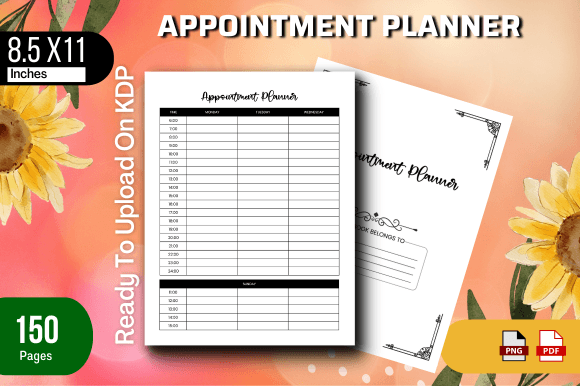
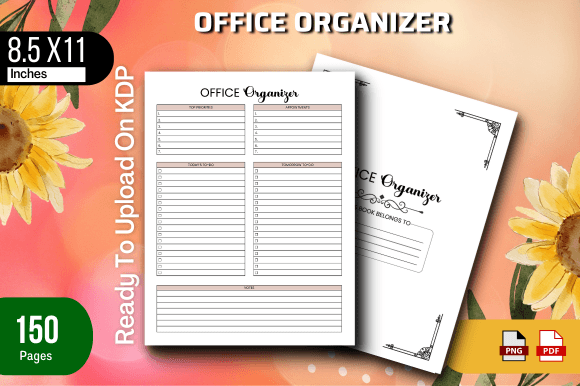
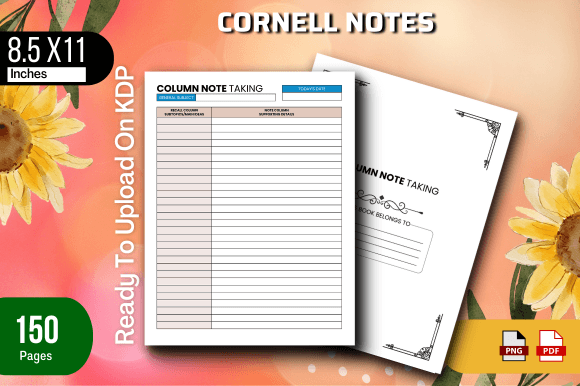
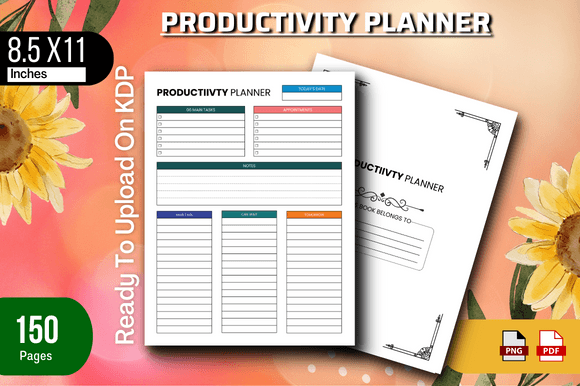
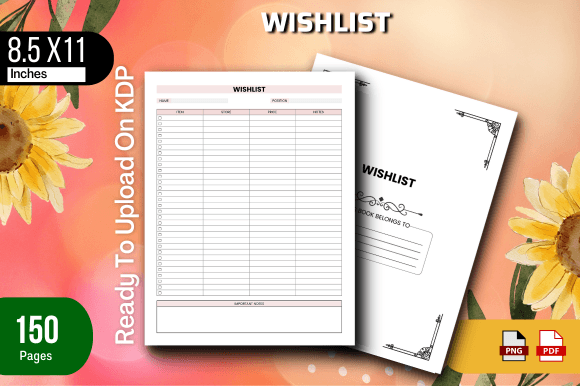
Examining the specific package details helps clarify what authors are evaluating. The Wishlist KDP Interiors product typically includes a single, comprehensive interior file. It is formatted for the standard US trade paperback size of 8.5 x 11 inches. The file contains 150 total pages, which provides a substantial template for longer works like novels, non-fiction books, or compendiums. A key point of assurance is that the files are tested on Amazon KDP to ensure quality and compatibility, mitigating a major concern for authors. Furthermore, the inclusion of a PNG image file suggests that some graphical element, perhaps a branded page or a decorative section break, is part of the design, offering a touch beyond basic text formatting.
The promise is a turnkey solution: authors receive the ready-to-upload PDF and can proceed to combine it with their manuscript after ensuring proper pagination. This approach is distinct from using basic word processor templates or attempting to format within KDP’s own tools, which offer less design flexibility and professional polish.
Comparative Context: Other Pathways to a KDP Interior
To understand where Wishlist KDP Interiors fits, it’s useful to consider the spectrum of alternatives available to authors. At one end is fully custom interior design, hired from a professional book designer. This offers maximum uniqueness and tailoring to the book’s theme but represents the highest cost and requires a collaborative process. At the other end is manual formatting using software like Microsoft Word or Adobe InDesign, followed by conversion to PDF. This is low-cost but demands high skill, time investment, and carries the risk of technical errors.
Pre-designed templates, including Wishlist KDP Interiors, occupy a middle ground. They are more affordable than custom design and less labor-intensive than a DIY approach. Their tradeoff is in standardization. The design is fixed; an author cannot easily change the font, alter the margin aesthetics, or redesign chapter headings without graphic design skills. Therefore, the primary decision factor is whether the provided design aligns with the author’s vision and genre expectations. For a contemporary romance novel, a sleek, modern interior might be perfect. For a historical epic, the same template might feel anachronistic.
Evaluating the Fit for Your Specific Project
The decision to use a service like Wishlist KDP Interiors hinges on a practical assessment of your project’s needs, your resources, and your priorities.
When it may be a strong choice: Authors who are time-constrained, technically hesitant, or prioritizing a swift publication process will find significant value. If your manuscript falls neatly into the 150-page framework (or can be adjusted to fit without compromising content), the template provides a clean, professional foundation. It is particularly suitable for authors who have already invested in a custom cover design and want an interior that provides complementary professionalism without further major expenditure. The pre-testing on KDP is a concrete benefit, reducing pre-launch anxiety about file acceptance.
When another option might be necessary: If your book requires unique interior elements—such as complex tables, frequent illustrations, poetry with specific formatting, or sidebars—a fixed template may be insufficient. Books significantly shorter or longer than the template’s 150-page scope would require extensive adaptation, potentially negating the efficiency gain. Authors with a very specific aesthetic vision, where the interior design is an integral part of the reading experience (common in certain art books, high-concept fiction, or niche non-fiction), would likely find a custom designer a better fit. Similarly, if you possess or are willing to learn intermediate design skills, a more flexible template marketplace or a DIY approach with a robust word processor might offer more control at a similar cost point.
Practical Considerations and Integration Workflow
Even with a ready-to-upload PDF, integrating your manuscript requires careful work. The author must paste their text into the template’s structure, ensuring chapters start on the correct pages, pagination remains consistent, and any special elements are placed correctly. This process is less demanding than creating the format from zero, but it is not automatic. It demands attention to detail. The included PNG image, for instance, needs to be placed appropriately, perhaps on the title page or at section divisions.
Comparing this to a fully custom service, the integration workload is similar—you still provide the text—but the design decisions are pre-made. Comparing it to a bare-bones KDP upload, the workload is higher because you are managing a more complex file, but the output quality is typically superior. The realistic example here is an author with a 140,000-word manuscript. Using a basic tool, they might produce a functional but bland interior. Using Wishlist KDP Interiors, they could achieve a styled, consistent look. Hiring a designer, they could get a uniquely tailored design that perhaps echoes motifs from the cover art. The choice balances cost, time, and desired outcome.
The Importance of Design Cohesion and Reader Experience
Beyond mere technical compliance, a book’s interior design subtly influences readability and reader perception. Consistent, ample margins and well-chosen font sizing enhance comfort during long reading sessions. Thoughtful chapter headers can build anticipation. A disjointed or poorly formatted interior, even with excellent content, can subconsciously signal a lack of professionalism to the reader.
Services like Wishlist KDP Interiors address this by providing a design that has been constructed with these principles in mind. The tradeoff, as noted, is the lack of personalization. Therefore, authors should visually evaluate the template—often possible through preview images or samples—before purchase. Does the font style suit your genre? Is the page density (how many words per page) appropriate for your text? Does the overall feel match the tone of your cover and your writing? This evaluation is the crucial step in determining fit.
In the broader ecosystem of self-publishing resources, pre-designed interiors represent a specialized tool. They are not a universal solution, but a targeted one for a common pain point. Their value is not in being the only or best option for every author, but in being a reliable, efficient option for a specific set of authors: those seeking a balanced compromise between cost, effort, and a professional outcome.
Making an Informed Decision on Interior Formatting
Ultimately, the choice revolves around three core factors: quality, effort, and cost. Define your minimum threshold for quality. Is "technically correct and clean" sufficient, or do you need "distinctive and thematic"? Assess your available effort. Can you dedicate days to learning and applying formatting, or do you need a solution that takes hours? Determine your budget for this aspect of production.
Wishlist KDP Interiors, with its tested, ready-to-use PDF format, sits in a quadrant that answers "technically correct and clean" for quality, "hours" for effort, and "moderate fixed cost" for budget. If your project parameters match that quadrant, it represents a sensible and pragmatic choice. If your needs fall outside—demanding more uniqueness, requiring less financial outlay, or accommodating a very non-standard manuscript structure—then the broader landscape of alternatives, from advanced template markets to freelance designers, warrants further exploration. The key is to recognize the interior not as a mere container for text, but as a component of the book’s overall craft, and to select the production path that aligns with your goals for that craft.