Subscription Tracker KDP Interiors: An Evaluative Guide for Planner Publishers
For those running or exploring a KDP (Kindle Direct Publishing) business, the decision to create a physical planner often hinges on the interior design. A professional, functional interior is a key competitive differentiator. Among the available options, the Subscription Tracker-KDP Interiors package presents a specific, ready-to-use solution. This article provides a balanced analysis of this product, examining its distinct characteristics, practical applications, and how it compares to broader approaches in the KDP planner market. The goal is to equip you with a clear understanding of its potential fit for your publishing venture.
Understanding the Subscription Tracker KDP Interiors Package
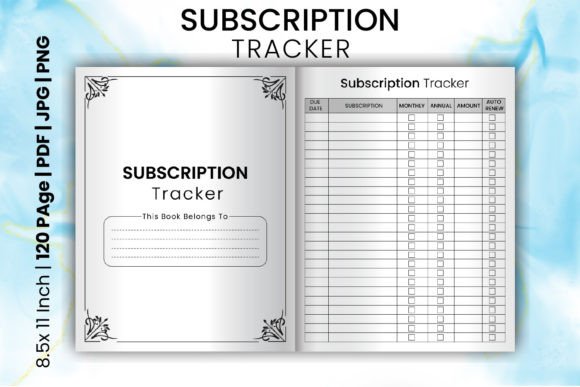
Subscription Tracker-KDP Interiors is a digital product bundle specifically designed for KDP publishers who wish to create a subscription tracker notebook. It is not a software tool or a design service, but a set of pre-made, editable files. The core offering includes a 120-page daily planner notebook interior, formatted to the standard U.S. Letter size (8.5 x 11 inches). The files are provided in both PDF and PNG formats, described as print-ready and ready to upload, with a specification of "no bleed," meaning the design does not extend to the edges of the page, which is typical for interior pages rather than covers.
Its distinct nature lies in its niche focus and immediacy. Unlike general planner templates or custom design services, this package targets a specific planner type—one centered on tracking subscriptions. This could encompass monitoring monthly services, renewal dates, costs, and usage. For a publisher, this means entering the market with a product that addresses a particular, growing consumer need without investing initial time in conceptualizing and laying out the interior structure.
Key Features and Practical Strengths
Evaluating the package involves looking at its stated features from a publisher's perspective.
- Editable Files: The provision of editable files (likely in a format compatible with common software) offers a crucial balance between convenience and customization. It allows a publisher to adjust elements like colors, fonts, or minor layouts to align with their brand or market vision without starting from a blank page.
- Print-Ready PDF: A PDF formatted correctly for KDP's requirements significantly reduces technical hurdles. The "no bleed" specification is appropriate for interiors and simplifies the upload process, minimizing a common point of error for new publishers.
- 120-Page Structure: A fixed page count provides a known product volume. This can be an advantage for standardized pricing and production, though it also represents a limitation if a different length is desired.
- Letter Size Format: This is the most common and competitive size for planners in the U.S. market. Using it means the product aligns with mainstream expectations but also places it in a highly populated category.
The primary strength of Subscription Tracker-KDP Interiors is its time-to-market efficiency. For an entrepreneur who identifies a demand in the subscription management niche but lacks graphic design skills or time, this package removes the largest developmental barrier. It represents a turnkey solution for a specific product type.
Comparing Approaches: Pre-made Interiors Versus Alternatives
To understand where this package fits, it's useful to consider the broader spectrum of resources available for creating a KDP planner interior.
Custom Design from Scratch
This approach involves hiring a designer or using design software to create a completely unique interior. It offers maximum control, differentiation, and brand alignment. However, it requires significant investment in time, money, or skill. The Subscription Tracker-KDP Interiors package sits at the opposite end of this spectrum, trading uniqueness for speed and lower upfront cost. For a publisher testing a niche or operating with limited resources, the pre-made interior can be a prudent starting point. For an established brand wanting a signature look, custom design is likely the necessary path.
Generic Planner Templates
Many marketplaces offer versatile, undated planner templates for various purposes—goal setting, fitness, business, etc. Compared to these, Subscription Tracker-KDP Interiors is more specialized. A generic template offers flexibility; a publisher can adapt it for multiple themes. The subscription tracker interior is purpose-built, which reduces adaptation work but also confines the final product to that single theme. The choice here depends on the publisher's strategy: aiming for a broad audience with a general planner or targeting a specific user pain point with a dedicated tool.
All-in-One KDP Publisher Tools
Some software platforms and services offer integrated solutions for KDP, including cover creation, interior formatting, and keyword research. These tools often provide modular interiors that can be mixed and matched. The Subscription Tracker package is a standalone, thematic product. It lacks the integrative features of a platform but delivers a complete, themed interior instantly. Publishers who prefer a unified workflow for multiple projects might lean toward comprehensive tools. Those seeking a quick, single-product solution for a specific idea may find the standalone package more directly applicable.
Tradeoffs and Decision Factors
Opting for a pre-made interior like Subscription Tracker-KDP Interiors involves accepting certain tradeoffs. Understanding these helps in making an informed decision.
Speed vs. Originality: The most significant tradeoff is between rapid deployment and product originality. While editable, the core structure and theme are predefined. This can lead to market saturation if many publishers use similar interiors. Your competitive edge then shifts to other factors like marketing, cover design, and overall product bundling.
Niche Focus vs. Market Flexibility: The product strongly commits to the subscription tracking niche. This is advantageous if you have validated demand in that area. However, if market trends shift or you wish to pivot, the interior is not easily repurposed for a different theme, unlike a more generic template.
Fixed Parameters vs. Customization: Features like the 120-page count and Letter size are fixed. This standardization ensures compatibility but removes choice. If your target audience prefers A5-sized notebooks or expects a 200-page planner, this package would not be the right fit without substantial modification, which may negate its ready-to-use benefit.
Identifying the Best-Fit Situations
The Subscription Tracker-KDP Interiors package is likely the right choice under several specific circumstances.
- For Publishers New to the KDP Planner Space: It serves as an excellent low-barrier entry point. You can learn the KDP upload, marketing, and sales process with a finished product, focusing your energy on business operations rather than product creation.
- When Targeting a Specific, Identified Niche: If your research indicates strong interest in subscription management tools, using a purpose-built interior is more efficient than trying to adapt a generic one.
- Under Tight Time or Budget Constraints: For solopreneurs or small teams, the cost and time savings compared to custom design are clear benefits.
- As a Complementary Product in a Larger Catalog: If you already sell other planners or notebooks on KDP, adding a specialized subscription tracker can diversify your portfolio quickly without diverting resources from your main projects.
Conversely, you might need another option if:
- Your brand identity requires a completely unique, from-scratch design aesthetic.
- You plan to create a series of planners and need a cohesive, customizable template system.
- The standard Letter size or 120-page count does not align with your market research or audience preferences.
- You are uncertain about the subscription tracker niche and prefer to launch a more versatile planner to test broader demand.
A Practical Comparison Example
Consider two hypothetical publishers. "Publisher A" has limited design experience but has noticed numerous online discussions about the hassle of managing multiple subscriptions. They want to capitalize on this quickly. For them, Subscription Tracker-KDP Interiors provides a direct path to a relevant product. They can use the editable files to add their logo, choose a color scheme, and upload to KDP within days.
"Publisher B" runs a established brand focused on minimalist productivity tools. They want a subscription tracker that integrates seamlessly with their existing line of A5, undated notebooks featuring a specific layout philosophy. For Publisher B, the fixed size, page count, and predefined structure of the package would likely clash with their brand standards. They would benefit more from a custom design or a highly flexible template they can modify to their exact specifications.
Both approaches are valid; the decision hinges on the publisher's starting point, resources, and strategic goals.
Moving Forward with an Informed Choice
Choosing resources for your KDP business is about alignment. The Subscription Tracker-KDP Interiors package is a specialized, efficient solution that fills a particular gap in the publisher's toolkit. Its value is most apparent when speed, niche specificity, and reduced upfront effort are primary concerns. By weighing its ready-to-use convenience against the tradeoffs in originality and flexibility, you can determine if it aligns with your current project needs.
For many, it represents a practical stepping stone—a way to launch a targeted product, gain market experience, and generate initial revenue. This can then fuel further investment in more customized designs or a broader catalog, perhaps exploring other KDP books and products as mentioned in the creator's profile. The key is to match the tool to your immediate objectives, allowing you to build your business iteratively based on real-world learning and customer feedback.