Dream Planner Journal KDP Interiors: A Practical Guide
When you embark on creating a planner or journal for KDP (Kindle Direct Publishing), the interior design is where your vision meets functionality. A well-structured interior isn’t just about aesthetics; it’s the framework that guides your reader’s experience. For anyone looking to publish, Dream Planner Journal KDP Interiors offers a suite of tested files designed to streamline that process.
What Are Dream Planner Journal KDP Interiors?
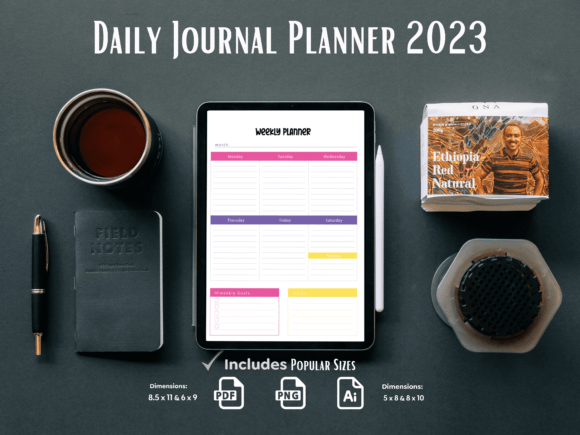
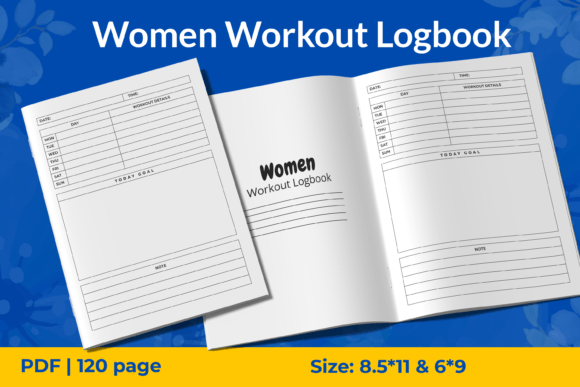
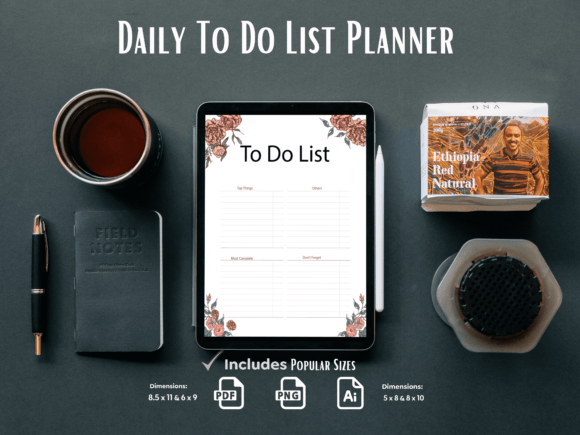
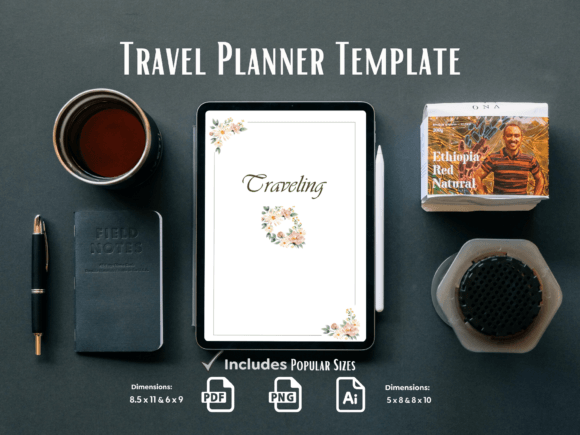
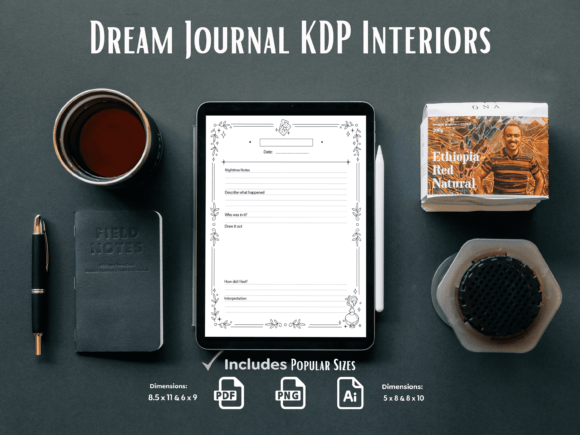
In essence, Dream Planner Journal KDP Interiors are pre-designed template files specifically formatted for Amazon’s KDP platform. They are tested in the KDP Previewer to ensure compatibility and correct display. The package typically includes multiple file formats and sizes, catering to different publishing needs. You receive PDF files ready for immediate upload in popular trim sizes like 8.5 x 11, 6 x 9, 5 x 8, and 8 x 10. Additionally, PNG files offer another upload-ready option, while Ai (Adobe Illustrator) editable source files provide the foundation for customisation. This multi-format approach addresses a core publishing reality: different projects and creators have different technical requirements and skill levels.
Why Different Creators Care About Different Aspects
The value of a resource like Dream Planner Journal KDP Interiors isn’t universal; it shifts dramatically based on who is using it and what they aim to achieve. A beginner’s primary concern might be avoiding technical errors that lead to KDP rejection, while an experienced publisher might prioritize the flexibility to create a unique branded series. Understanding these differing priorities can help you evaluate whether such a template package aligns with your specific project.
For Beginners and First-Time Publishers
If you’re new to KDP, the sheer technical checklist can be daunting. Margin settings, bleed areas, and ensuring your file passes the previewer can become frustrating hurdles. Here, the pre-tested PDF and PNG files from Dream Planner Journal KDP Interiors act as a reliable safety net. Their primary benefit is ease of use and reliability. You can upload a PDF directly, knowing it has already been validated, which significantly reduces the risk of formatting issues and speeds up your publishing timeline. The learning value is also high; by examining the clean, professional layout of these interiors, you gain a practical understanding of what a KDP-ready journal should look like, informing your future projects.
For example, a hobbyist who wants to turn their passion for gardening into a themed garden planner can use the ready PDF, add their cover, and publish without learning complex design software. Their priority is completing a tangible project, not mastering Adobe Illustrator.
For Creators, Designers, and Small Business Owners
This group often looks beyond a single publication. They might be building a brand, a series of journals, or creating products for clients. For them, the Ai editable source files included in Dream Planner Journal KDP Interiors are the most valuable component. These files offer flexibility and commercial value. A freelance designer can use the source file as a base to efficiently customize interiors for multiple clients, adjusting colors, graphics, and layout structures to match specific branding. A small business owner selling niche planners can adapt the template annually, creating a consistent yet updated look for their 2023, 2024, and future editions.
Their evaluation focuses on long-term usefulness and cost-effectiveness. Investing in a template that serves as a reusable asset often outweighs the time and expense of designing each interior from scratch. The multiple trim sizes also allow them to test which format resonates best with their audience without redesigning the entire content flow.
For Educators, Coaches, and Professionals
These users often create journals and planners as tools for their students, clients, or teams. Their priority is presentation and functionality. The journal interior must not only look professional to reinforce its authority but also be logically structured to facilitate its intended use—whether for goal-setting, mindfulness, or project tracking. The tested layouts in Dream Planner Journal KDP Interiors provide a proven, clear structure that they can trust. An educator creating a student reflection journal might use the 8.5 x 11 PDF for its ample writing space, while a life coach might choose the more portable 6 x 9 size for their clients.
For them, the quality of the layout—the spacing of lines, the placement of prompts, the organization of sections—directly impacts the tool’s effectiveness. A messy or cramped interior can hinder the user experience, defeating the journal’s purpose.
Identifying If It Matches Your Project Goals
Deciding whether Dream Planner Journal KDP Interiors is right for you comes down to a practical assessment of your skills, timeline, and project scope.
- If your goal is speed and a guaranteed technically correct upload, the ready-to-use PDFs and PNGs are a strong match. This is ideal for a one-off project or when design time is limited.
- If you need a customizable foundation for multiple projects or brand consistency, the inclusion of Ai source files makes the package a worthwhile consideration. You’ll need access to and basic knowledge of Adobe Illustrator, or a designer who can use it.
- If you are strictly a consumer looking to purchase a planner, this topic is more about the behind-the-scenes creation. However, understanding that a planner uses tested interiors can indicate a level of professional formatting and attention to detail in the product you buy.
It’s also important to consider the trim sizes offered. The availability of 8.5 x 11 (standard US letter), 6 x 9 (popular paperback size), 5 x 8 (more compact), and 8 x 10 provides options for different use cases. A large-format planner for detailed work might benefit from 8.5 x 11, while a daily carry journal suits 6 x 9 or 5 x 8.
A Tool, Not a One-Size-Fits-All Solution
Ultimately, Dream Planner Journal KDP Interiors functions as a toolset. Its utility depends on how you intend to use it. For some, it’s a complete solution; for others, it’s a high-quality starting block. The key is that it removes the initial, often technical, barriers to publishing a professional journal, allowing you to focus more on your content, your audience, and your creative or commercial objectives.
Whether you are an entrepreneur launching your first product, a blogger creating a companion journal for your community, or a hobbyist bringing a personal project to life, the separation of format-ready files and editable sources acknowledges that the journey to publication is not the same for everyone. By providing options, it empowers you to choose the path that best fits your current resources and ambitions, helping you move from idea to published book with greater confidence and control.