Everything You Need to Know About Mom Journal Planner KDP Interiors
If you're a creator looking to publish a beautiful, functional planner for mothers, you've likely encountered the term "interiors" or "printables." The world of self-publishing on platforms like Amazon's Kindle Direct Publishing (KDP) is full of tools designed to streamline the process. One such resource is Mom Journal Planner KDP Interiors. This isn't a physical planner you buy and use; instead, it's a foundational digital toolkit. It provides the complete, professionally designed inner pages—the "interior"—of a journal or planner, ready for you to publish as your own book.
What Exactly Are KDP Interiors?
Before diving into the specifics of Mom Journal Planner KDP Interiors, let's clarify the concept. When you publish a paperback or journal on KDP, you need two main digital files: the cover and the interior. The interior file contains all the pages that make up the book—the layouts, prompts, calendars, and writing spaces. Creating these from scratch requires significant design skill, time, and understanding of KDP's technical specifications. KDP interiors solve this problem. They are pre-made, tested template files that you can purchase, customize if needed, and upload directly to KDP to create a ready-to-sell physical product.
The Core Promise of Mom Journal Planner KDP Interiors
The Mom Journal Planner KDP Interiors package is tailored specifically for creating journals aimed at mothers. Its design philosophy centers on functionality and emotional resonance. The layouts typically include sections for tracking child milestones, recording personal reflections, managing family schedules, and setting parenting goals. The value here is immense: instead of spending weeks designing page margins, page numbering, and layout consistency, you acquire a polished, print-ready foundation. The description often highlights that these files are "tested in KDP Previewer," which is a critical point. This means the supplier has verified that the files meet KDP's strict formatting requirements for bleed, margins, and size, minimizing the risk of upload errors or print defects.
A Detailed Look at What You Receive
When you obtain Mom Journal Planner KDP Interiors, you typically receive a comprehensive package designed for flexibility. Understanding each component helps you evaluate its suitability for your project.
Ready-to-Upload PDF Files
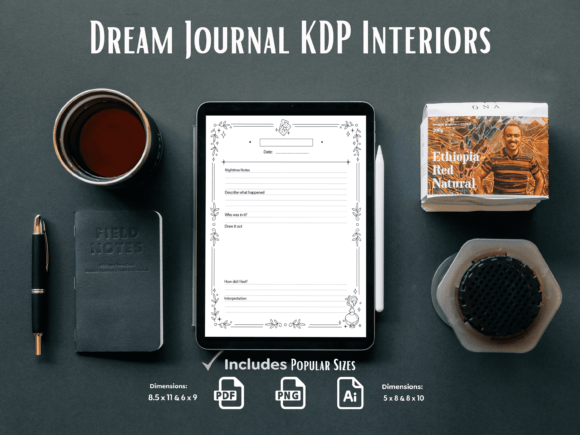
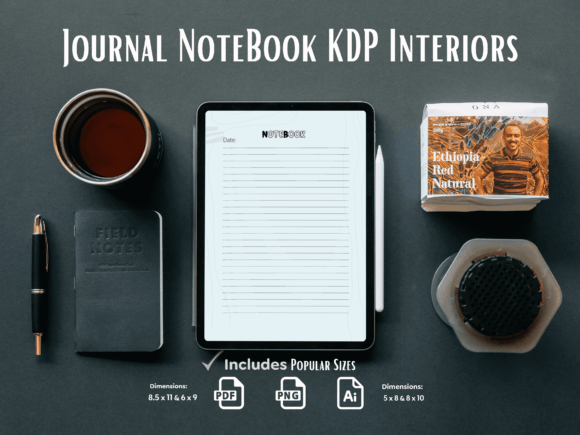
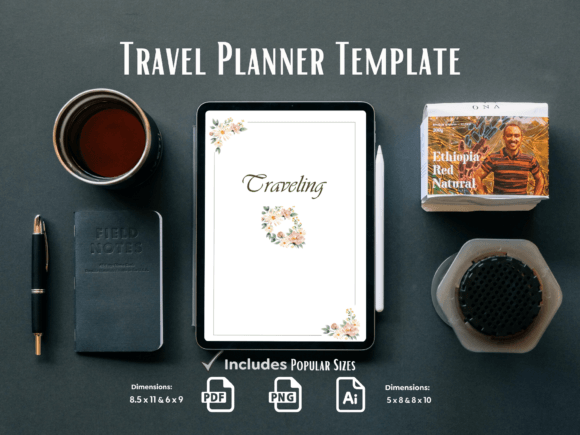
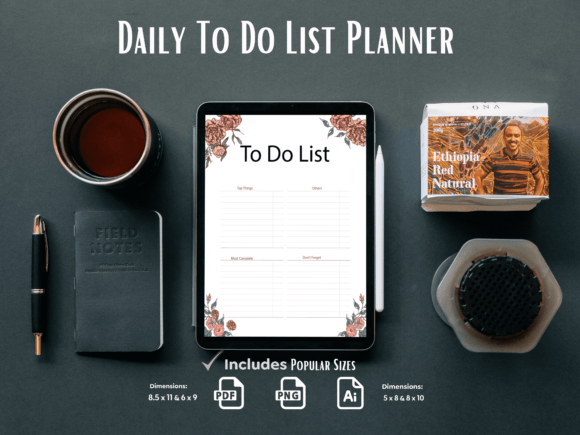
These are the most crucial files for most users. PDF is the standard format required by KDP for book interiors. The package usually includes PDFs in multiple popular trim sizes:
- 8.5 x 11 inches: A standard US letter size, popular for larger, workbook-style journals.
- 6 x 9 inches: A very common and professional paperback size, offering a good balance of portability and writing space.
- 5 x 8 inches: A more compact, travel-friendly size.
- 8 x 10 inches: Another popular size that feels substantial.
Having multiple sizes means you can choose the one that best fits your vision and market without needing to resize or reformat anything.
PNG Files Ready To Upload
Including PNG files is a valuable addition. While KDP requires a PDF for printing, PNGs serve other important purposes. They are high-resolution image files of each page. You can use these for marketing—creating mockups, showcasing sample pages on your website or social media, or even using them in digital advertising. They provide a visual preview of the product's quality.
AI Editable Source Files
This is the component that offers the greatest creative control. Adobe Illustrator (AI) files are the native, editable source files. If you have access to Adobe Illustrator and some design knowledge, you can modify these files. You can change colors, fonts, add your own logo, rearrange elements, or even translate text into another language. This transforms the product from a static template into a flexible starting point for a truly customized journal.
Who Benefits from Using These Interiors?
The applications for Mom Journal Planner KDP Interiors are wider than you might initially think.
- First-Time KDP Publishers: For someone new to self-publishing, this package eliminates the biggest technical hurdle—creating a properly formatted interior. It allows them to focus on marketing, cover design, and understanding the platform.
- Seasoned Creators Looking to Scale: Even experienced publishers can use these interiors to quickly expand their catalog. Instead of designing every new planner from scratch, they can adapt a proven template, saving dozens of hours.
- Coaches, Therapists, or Parenting Experts: A professional who wants to create a branded journal as a companion to their services or as a product for their clients can use these interiors. The AI files allow them to insert their branding and tailor prompts to their specific methodology.
- Small Businesses or Gift Shops: A business wanting to create a unique, private-label mother's journal for their store can use this to produce a physical product without investing in a full design team.
Evaluating Suitability for Your Project
While Mom Journal Planner KDP Interiors are a powerful tool, it's wise to consider a few points to ensure they align with your goals.
Strengths and Advantages
The primary strength is time-to-market. You can have a professional-quality journal ready for upload in a matter of days, not months. The risk reduction is also significant; using files tested in KDP Previewer greatly lowers the chance of formatting issues leading to rejected uploads or poor print quality. Furthermore, the multi-format inclusion (PDF, PNG, AI) offers versatility for publishing, marketing, and customization.
Important Considerations
First, assess the design style. Review sample pages to ensure the aesthetic—the fonts, graphics, layout vibe—matches your target audience. A minimalist mom might prefer a different look than a mom who loves vibrant, decorative pages. Second, consider customization needs. If you want to make significant changes, you'll need Adobe Illustrator and some skill. If you don't, you'll be using the PDF as-is, which is fine, but limits uniqueness. Finally, remember that this is only the interior. You still need to create or source a compelling cover design that meets KDP's separate specifications.
Real-World Application Scenarios
Let's imagine two creators using Mom Journal Planner KDP Interiors.
Scenario A: Anna, the Parenting Blogger. Anna has a blog about mindful motherhood. She wants to create a "Mom's Mindfulness Journal" as a product for her readers. She purchases the interiors, chooses the 6x9 PDF because it's a popular paperback size, and uploads it directly to KDP. She hires a designer on Fiverr to create a cover that matches her blog's branding. Within a week, her journal is live on Amazon, and she uses the provided PNG files to create beautiful Instagram posts promoting it.
Scenario B: Ben & Maya, a Small Publishing Duo. They have a small company creating niche journals. They see demand for a "New Mom Survival Guide" journal. They buy the Mom Journal Planner KDP Interiors and use the AI files. Using Illustrator, they modify the color scheme to their brand's palette, add a few unique page types specific to postpartum care, and insert their company logo on the introduction page. They then generate a new PDF from their edited AI file and upload it. This allows them to create a product that feels uniquely theirs while building on a robust template foundation.
Final Guidance on Making Your Decision
Mom Journal Planner KDP Interiors represent a pragmatic solution in the self-publishing ecosystem. Their value lies in their readiness and reliability. When evaluating, focus on your own resources: your time, your design skills, and your vision for the final product. If your priority is to get a well-structured, mother-focused journal onto the market efficiently, and the design style appeals to you, this toolkit can be an excellent choice. If you require deep, unique customization, ensure you have the means to work with the AI files or are prepared to use the template largely as-provided. In either case, these interiors demystify a complex part of the publishing process, allowing creators to channel their energy into what matters most—connecting with their audience and bringing a useful product into the world.