The Transformative Power of Weekly Reflection Journals: A Guide for Creators and Seekers
The practice of reflection is a timeless tool for growth. In our fast-paced modern world, however, carving out consistent time for this invaluable habit can be a challenge. This is where a structured tool—specifically, a Weekly Reflection Journal—becomes not just helpful, but essential. For the growing community of self-publishers on platforms like Amazon KDP (Kindle Direct Publishing), these journals represent a unique intersection of personal development and creative entrepreneurship. This article explores the purpose, design, and practical application of professionally crafted Weekly Reflection Journal interiors, explaining why they are more than just pages in a book.
Understanding the Core: What is a Weekly Reflection Journal?
A Weekly Reflection Journal is a dedicated notebook designed to guide you through a structured review of your week. Unlike a daily diary that captures moments, a weekly journal encourages a macro view, helping you assess progress, identify patterns, and set intentional direction for the coming week. It serves as a personal audit tool for your goals, emotions, achievements, and learning.
Its significance lies in its ability to combat the "busyness trap." Many people move from task to task without integrating their experiences into meaningful insight. A weekly reflection forces a pause, creating a space for synthesis. This practice has roots in educational pedagogy, business retrospectives, and therapeutic techniques, proving its versatility across life domains. For KDP creators, producing these journals allows them to share this powerful framework with others while building a sustainable publishing business.
The Anatomy of a Professional KDP Interior
When discussing a "Weekly Reflection Journal KDP Interior," we refer to the complete, print-ready layout and design file that authors and designers upload to Amazon's publishing platform. A high-quality interior is paramount for user satisfaction and commercial success. Let's break down the key details and their practical relevance.
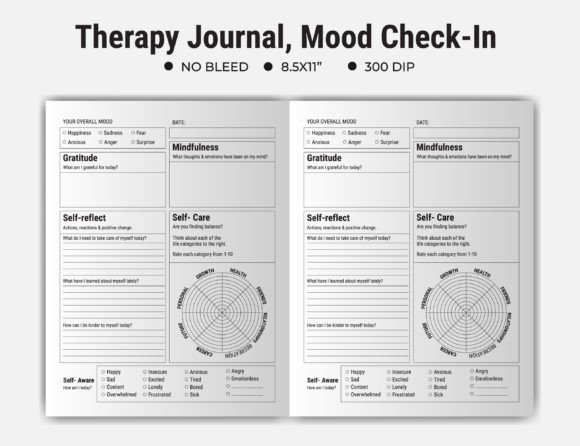
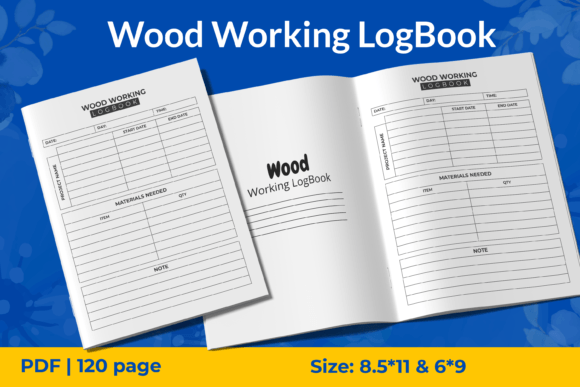
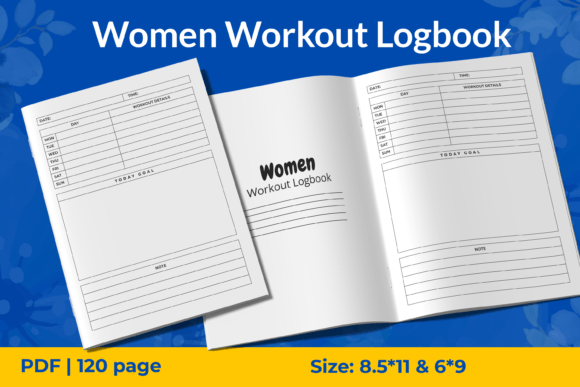
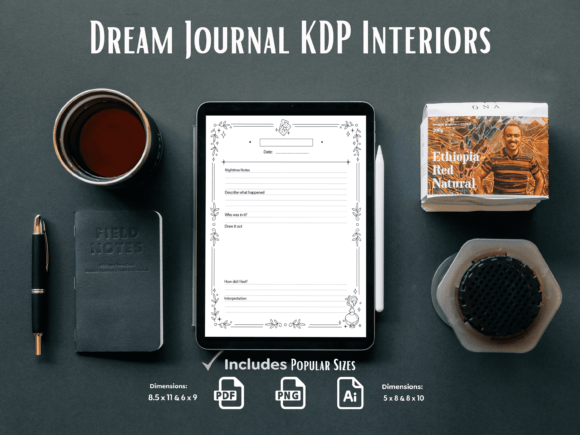
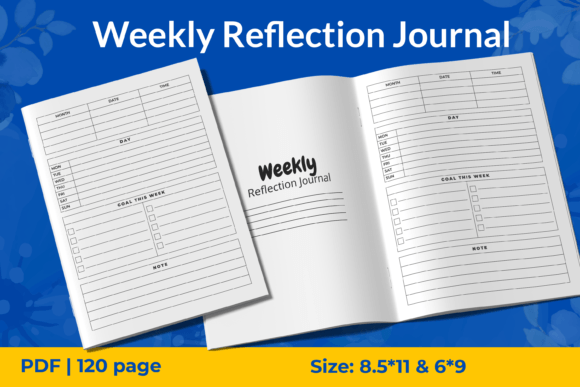
- Dimensions Matter: Common sizes like 8.5" x 11" (Standard US Letter) and 6" x 9" (a popular paperback size) cater to different reader preferences. The 6x9 format often feels more intimate and portable, while the 8.5x11 offers ample space for writing.
- High-Resolution & 300 DPI: These are technical requirements for crisp, clean text and graphics. 300 DPI (dots per inch) is the industry standard for print-ready PDFs, ensuring no blurry lines or pixelated elements when the physical book is produced.
- 120 Pages: This provides a substantial journey—often covering a full year or more of weekly entries with additional sections for annual reviews, goal setting, and reference pages.
- PDF Files Ready for Upload: The interior is delivered as a finalized PDF, perfectly formatted to KDP's technical specifications, eliminating the guesswork for the publisher.
- The Critical Note on BLEED: "Interior is with BLEED" is a vital print design term. Bleed means the background or design elements extend slightly beyond the intended trim edge of the page. This ensures that after the book is cut, there are no unprinted white edges along the borders, resulting in a professional, full-cover look.
- Tested on Amazon KDP: This is the ultimate quality check. An interior that has been uploaded and passed KDP's review process guarantees it will print correctly, with proper margins, readable fonts, and no formatting errors—giving the publisher peace of mind.
The Purpose and Significance: More Than Just a Notebook
Why does this specific tool resonate so deeply in modern life? Its practical relevance spans personal, professional, and creative spheres.
In personal development, it acts as an anchor. By consistently asking questions like "What were my key wins this week?" or "What challenge taught me something new?", you build self-awareness. This can clarify values, improve decision-making, and increase resilience. For beginners to journaling, a pre-structured journal removes the intimidation of "what to write," providing a gentle guide.
In the work and business context, professionals use weekly reflections to track project milestones, analyze productivity patterns, and plan strategic next steps. Entrepreneurs, including KDP publishers themselves, can use such a journal to monitor their publishing goals, marketing efforts, and financial milestones.
Within education and creativity, students can reflect on their learning, while artists and writers can track creative progress, capture inspiration, and overcome blocks. The journal becomes a companion in the creative process.
A common misunderstanding is that reflection is passive or nostalgic. In reality, a well-designed weekly reflection journal is a proactive tool for shaping your future. It turns experience into actionable intelligence.
Examples of Natural Integration
Imagine a freelance designer using the journal every Sunday evening. They note client feedback from the week, sketch a quick idea for a new logo concept that arose, and realize they spent too much time on administrative tasks. The next week's action plan then includes blocking creative hours and exploring a new invoicing software. The journal facilitated that entire insight-to-action loop.
Another example is a teacher. Their weekly entries might focus on a successful classroom activity, a student's breakthrough, and a reminder to research a new teaching method. Over 120 pages, this becomes a rich professional development record.
For the KDP creator selling these journals, their own reflection might involve analyzing sales data from the week, planning a new interior design based on customer feedback, and setting a goal to upload two new journal variants next month. The product they sell supports the very process they use to improve their business.
Building a Broader Understanding: The KDP Ecosystem
To fully appreciate these journal interiors, one must see them as part of the vibrant self-publishing ecosystem. Amazon KDP has democratized publishing, allowing anyone with a valuable idea or design to become a publisher. High-quality, print-ready interiors are the core product for many in this space.
These digital assets fit into modern technology and daily activities seamlessly. A creator (perhaps a graphic designer or life coach) designs the interior using software like Adobe InDesign or Canva. They then upload the PDF to KDP's digital platform. A customer, seeking a tool for self-improvement, purchases the physical journal online. It is printed on-demand by Amazon, shipped, and arrives at their doorstep—ready to be integrated into their weekly routine. This cycle blends digital creation, global logistics, and analog personal practice.
The emphasis on tested, ready-for-upload files addresses a major hurdle for new KDP publishers: technical anxiety. By providing a product that is guaranteed to work, designers empower other entrepreneurs to start their publishing journey with confidence, lowering the barrier to entry.
Clarifying Assumptions: Design vs. Content
A potential assumption is that a KDP interior is only about aesthetics. While beautiful design is important, the structural layout is equally critical. A good weekly reflection journal interior logically sequences sections: perhaps a front matter with instructions, followed by 52 weekly reflection templates (each with prompts for gratitude, lessons, goals), and concluding with year-end review pages. The design must facilitate usability, not just visual appeal.
Another assumption is that these are only for "planners." In truth, they are for reflectors. Planning is future-oriented; reflection is past-and-present-oriented, leading to better planning. The journal is the bridge between the two.
The Final Reflection: A Tool for All
Whether you are a KDP creator looking to publish a useful product, a professional seeking clarity, a student organizing your thoughts, or simply someone navigating a complex world, a Weekly Reflection Journal offers a structured path to insight. The availability of professionally designed, technically perfected KDP interiors means that this tool is accessible, reliable, and ready to support growth.
By understanding the details—the dimensions, the bleed, the 300 DPI resolution—you appreciate the craftsmanship behind a simple notebook. By embracing its purpose, you unlock a method for making sense of your weeks and, ultimately, shaping your years. In a culture that often values output over integration, the weekly reflection journal stands as a quiet, powerful invitation to pause, review, and move forward with greater intention.